Disclosure: This post contains affiliate links. We may earn a small commission if you purchase through our links, at no extra cost to you.
For coaches and consultants, a podcast isn’t just a hobby — it’s a marketing channel, a credibility builder, and often the first impression a potential client has of you and your brand. Poor audio quality is more damaging in this context than almost anywhere else: it signals a lack of professionalism, makes your content harder to absorb, and can cause potential clients to tune out before they’ve even heard what you have to say.
The good news: professional-sounding audio doesn’t require a professional studio budget. With the right gear and setup approach, you can record from your home office and sound like you have a dedicated broadcast facility. Here’s what to invest in at each level.
What Coaches Actually Need from Podcast Gear
Before jumping into product recommendations, it helps to understand what separates a “good enough for a hobbyist” setup from one that’s appropriate for a professional brand. For coaches and consultants, the requirements are specific.
You need audio that sounds clean without spending hours in post-production on every episode. Most coaches record solo or with one guest, so the gear doesn’t need to handle complex multi-host routing — but it does need to perform reliably and consistently every time you hit record. You also need a setup that looks professional on Zoom calls, since your microphone is often visible to clients in video meetings. And ideally, you need something that can travel if you attend conferences or record away from your home office.
Entry-Level Professional Setup: USB and Simple (~$200–$280)
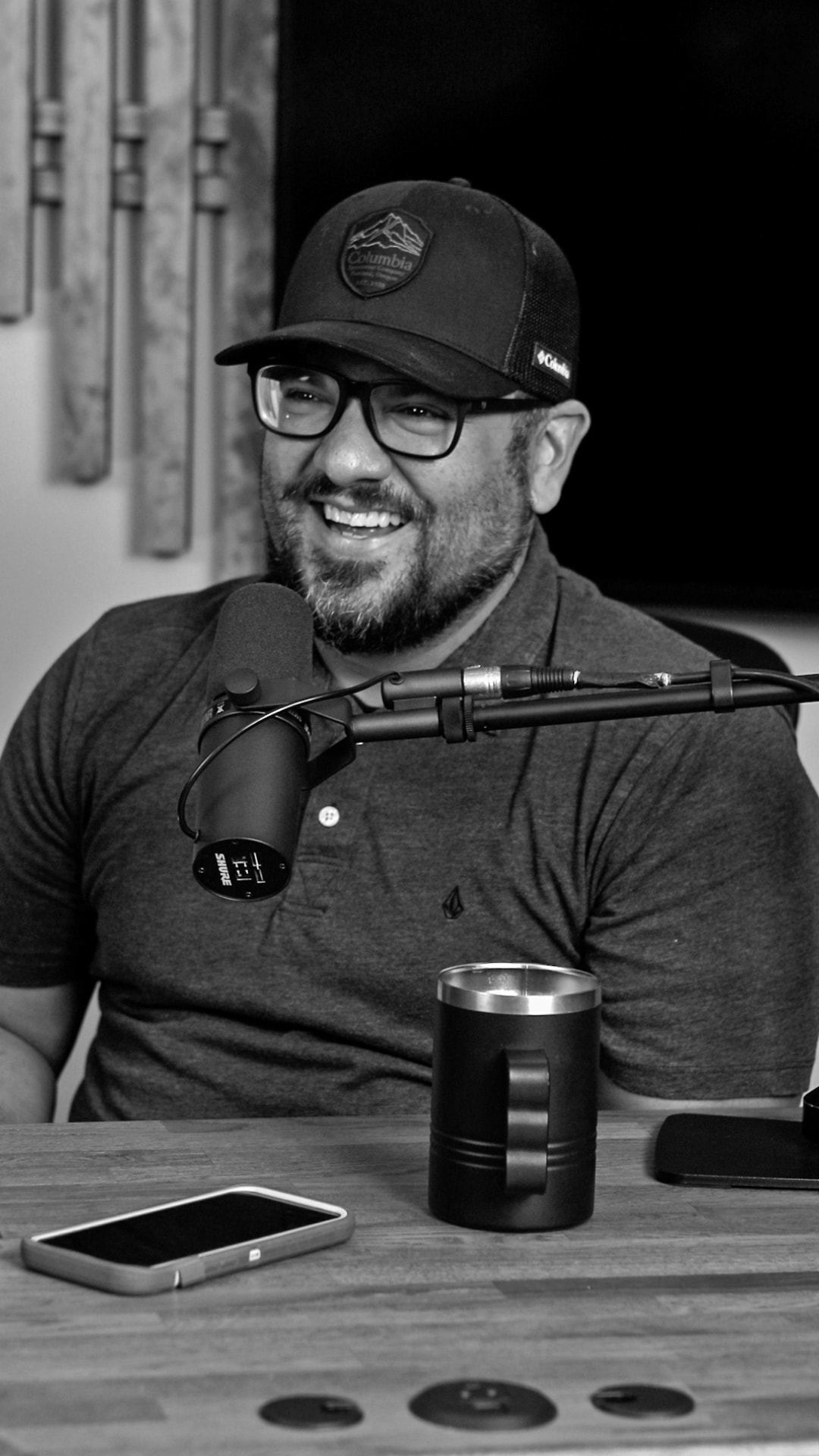
The Shure MV7 is the ideal mic for coaches who want a professional setup without complexity. It’s a dynamic USB/XLR hybrid that delivers broadcast-quality audio through a single USB cable — no interface, no configuration, no technical learning curve required. The built-in headphone jack lets you monitor your voice in real time during recording and on Zoom calls, so you always know exactly what your clients are hearing. The ShurePlus MOTIV app gives you software-controlled EQ and compression so your voice always sounds polished regardless of the recording environment.
Mount the MV7 on a Neewer NW-35 boom arm (~$30) so it’s positioned correctly in front of your mouth during calls and recordings without cluttering your desk workspace. Add a quality pair of closed-back monitoring headphones like the Sony MDR-7506 (~$100) for accurate monitoring, and you have a complete setup that will impress both clients and podcast listeners alike — for well under $350.
Mid-Level XLR Setup: Broadcast Quality (~$400–$550)
If you’re producing a show consistently and your brand demands the highest audio standards, stepping into XLR territory is the right move. The Rode Procaster is a large-diaphragm dynamic mic built specifically for broadcast — it delivers a tight, warm vocal sound with excellent rejection of room noise that makes it forgiving of home office acoustic environments.
Pair the Procaster with the PreSonus Studio 24c interface and a quality XLR cable. Mount the mic on the Rode PSA1 boom arm — a professional broadcast-grade arm that holds position reliably and looks genuinely elegant in a professional workspace. Clients who see this setup on video calls will notice immediately. This positions you at the same audio level as major business and interview podcasts.
Premium All-in-One: RodeCaster Pro 2 Setup (~$700–$900)
For coaches who interview guests regularly and want a complete studio-in-a-box that handles all the production complexity automatically, the RodeCaster Pro 2 is the gold standard. This is a complete production console: four XLR inputs each with their own preamp and per-channel processing, a built-in USB audio interface, Bluetooth for phone-call-quality guest recording, hardware sound effects, and mixing capabilities. Hook it up with a Rode Procaster or Shure SM7B and you have a broadcast-ready rig that requires minimal post-production work.
The RodeCaster Pro 2 also shines for coaches who record video alongside audio: its clean design and studio aesthetic signal professionalism to anyone who sees your recording setup in a video call or a behind-the-scenes photo. It’s the kind of gear that makes potential clients think, “this person is serious.”
Monitoring: The Overlooked Essential
Coaches often skip headphone monitoring and then wonder why their recordings sound different from what they expected during playback. Monitoring through headphones while recording lets you catch problems — room echo, background noise, mic positioning errors — in real time rather than discovering them in post-production or, worse, after an episode has published.
The Sony MDR-7506 is the industry standard for monitoring: flat, accurate, comfortable for long recording sessions, and under $100. They’ve been the go-to monitoring headphones in professional studios worldwide for decades. Alternatively, the Senal SMH-500 offers comparable closed-back monitoring performance at a lower price point and is a solid choice for coaches watching their initial gear budget.
The Bottom Line for Coaches and Consultants
Your voice is your brand. In a coaching business, how you sound is inseparable from how clients perceive your expertise and authority. Investing in a setup that makes your voice sound authoritative, warm, and clear is one of the highest-ROI gear purchases you can make.
Start with the Shure MV7 if you want professional results with maximum simplicity. Go to the Rode Procaster plus PreSonus Studio 24c if you want broadcast-grade XLR quality and room to grow. Or invest in the RodeCaster Pro 2 system if you’re ready to build a studio-level production pipeline. Your clients will notice the difference — and so will the new clients who discover your show.
Comments are closed