Disclosure: This post contains affiliate links. We may earn a small commission if you purchase through our links, at no extra cost to you.
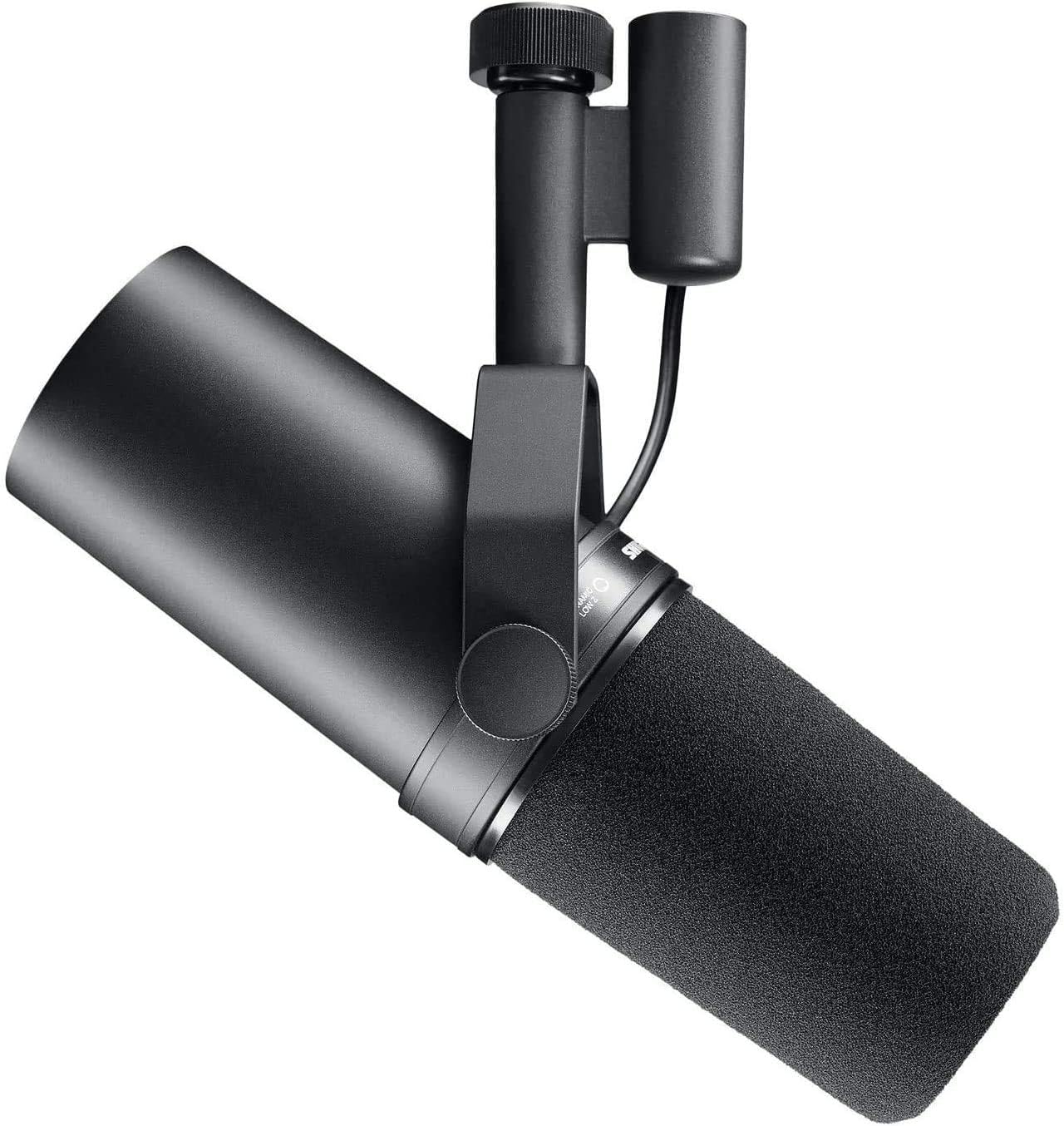
The Shure SM7B is the most talked-about podcast microphone on the internet — and for good reason. It’s the mic that launched a thousand “home studio” setups after Joe Rogan made it famous, and it continues to dominate podcasting, streaming, and broadcast applications years after its original design. But at its price point, it’s also the mic that prompts the question: is it actually worth it, or are you paying for brand recognition?
After extensive use across different recording environments and signal chains, the answer is: yes — but only if your rig is built to support it properly. Here’s everything you need to know before buying.
Sound Quality: What It Actually Sounds Like
The SM7B is a large-diaphragm dynamic microphone, and its sound profile is immediately recognizable: warm, full, and present in the midrange frequencies where human voices live. It has a slight bass presence boost when you speak close to it — the proximity effect — giving voices that classic “radio announcer” depth without sounding muddy or boomy. High frequencies roll off smoothly rather than harshly, which means the mic is very forgiving of sibilance — those “s” and “sh” sounds that can sound harsh on brighter microphones.
The SM7B also ships with two switchable EQ settings on the back panel: a flat response and a presence boost. The presence boost adds a gentle lift in the upper midrange and can add clarity and articulation to voices that sound a bit thick on the flat setting. Most podcasters find that the flat setting works best and tweak from there in software, but the option is a useful one for hosts whose voices need a bit more brightness.
What sets the SM7B apart from cheaper dynamic mics isn’t some magical hardware difference — it’s consistency. The mic sounds great on a wide range of voice types without requiring significant EQ. Deep voices, bright voices, women’s vocals, men’s vocals — the SM7B handles them all with an even-handed competence that more temperamental mics can’t claim. That reliability is worth a significant premium for a professional podcaster.
The Gain Problem — and How to Solve It
Here’s the one thing almost nobody tells you before you buy an SM7B: it is a very low-output microphone that requires a lot of gain. More gain, in fact, than most standard 2-channel audio interfaces can provide cleanly at their maximum settings. If you plug an SM7B into the average budget interface and crank the gain to maximum, you’ll get a thin, hissy signal — not the rich broadcast sound you were expecting.
The solution most professionals rely on is a clean gain booster like the Cloudlifter CL-1. The Cloudlifter sits in line between your SM7B and your audio interface, using phantom power from the interface to provide +25dB of clean, transparent gain to the mic signal before it hits the interface’s preamp. The result: your interface only needs to do a fraction of the amplification work, dramatically reducing noise in the signal chain and letting the SM7B’s character come through cleanly.
Interfaces with higher-quality preamps — like the PreSonus Studio 24c — handle the SM7B more gracefully than budget units without the Cloudlifter, but even on quality mid-range interfaces, the gain booster makes a noticeable difference to your noise floor. Budget for it alongside the mic.
Build Quality and Design
The SM7B is built like a tank. The all-metal body feels substantial and serious — nothing about it suggests it will fail prematurely. The internal pop filter and the included yoke mount are both solid, and the mic ships with two different windscreen options that let you control proximity effect and handling noise. Shure’s build quality at this price point is essentially unmatched in the microphone world; this is hardware that will outlast your podcast, your next podcast, and probably your podcasting career entirely.
The mic is heavy, so it requires a boom arm or stand that can handle its weight without sagging. The Rode PSA1 is the most popular pairing, and it holds the SM7B confidently without the slow creep downward that plagues cheaper arms under a heavy load. Don’t try to use a basic tabletop stand — it won’t hold the mic at the right angle reliably.
What You Need for a Complete SM7B Rig
The SM7B is not a plug-and-play solution. Here’s the complete chain you need to get it performing at its best:
- Shure SM7B — the microphone itself
- Cloudlifter CL-1 — essential gain booster for clean signal
- PreSonus Studio 24c or comparable quality interface
- Rode PSA1 boom arm — robust enough for the SM7B’s weight
- Quality XLR cable — short as practical between mic and Cloudlifter
Who Should Buy the Shure SM7B
The SM7B is the right choice if you’re serious about podcasting long-term, willing to invest in the complete rig it requires, and want a microphone you’ll never need to upgrade. It’s aspirational gear that delivers fully on its reputation when you give it what it needs to shine.
It’s the wrong choice if you’re just starting out and need to keep costs under control — the Rode Procaster is a similar broadcast dynamic at a lower price with less demanding gain requirements — or if you’re hoping to plug it directly into a budget interface and get broadcast sound on day one without the Cloudlifter or a quality preamp in the chain.
The Verdict
The Shure SM7B earns its reputation completely. It sounds excellent on almost every voice type, it’s built to last decades, and Shure’s track record for reliability is unmatched in the industry. But budget for the full setup: SM7B plus Cloudlifter CL-1 plus a quality audio interface plus the Rode PSA1. Buy all of that and you have a broadcast rig that will serve you for as long as you choose to podcast — and will sound professional enough that your listeners will never question your credibility based on audio quality alone.
Comments are closed