Disclosure: Some links on this page are affiliate links. If you buy through them, I earn a small commission at no extra cost to you. I only recommend gear I actually believe in. Thanks for your support! — Jason
At the $1,000 mark you’re in professional territory. This is the budget where you stop compromising and start buying gear that will last for years without an upgrade. Here’s exactly what I’d build and why every piece earns its place.
The $1,000 Professional Setup (Total: ~$925)
This is the setup I’d put together for someone serious about their show. Every piece is best-in-class at its price point, and together they create a broadcast-quality recording environment in a home office or studio.
Shure SM7B ($399) — The gold standard dynamic microphone. Used in professional broadcast studios for 50 years. Rich, warm sound. Tight cardioid pattern that rejects room noise. The mic you’ve heard on the biggest podcasts in the world and wondered how they sound so good. This is how.
Shure SM7B — $399 — View on Amazon →
Focusrite Scarlett 2i2 ($179) — Two XLR inputs, excellent clean preamps, USB-C to your computer. The most popular audio interface in the world for good reason. The 2i2 instead of the Solo gives you a second input for a co-host or guest mic down the road.
Focusrite Scarlett 2i2 — $179 — View on Amazon →
Cloudlifter CL-1 ($149) — The SM7B is a low-output dynamic mic that needs a lot of gain. Without the Cloudlifter, you’d crank your Scarlett’s preamp so high you’d add noise. The Cloudlifter gives the SM7B a clean 25dB boost before the signal ever reaches the interface. It’s not optional with this mic combination — it’s essential.
Cloudlifter CL-1 — $149 — View on Amazon →
Rode PSA1 Boom Arm ($99) — The SM7B is a heavier mic than most. Budget boom arms will drift out of position over time. The Rode PSA1 is a studio-grade arm that holds position reliably and handles heavier mics without complaint. Been an industry standard for years.
Sony MDR-7506 Headphones ($99) — Industry-standard monitoring headphones used in broadcast studios, recording facilities, and radio stations worldwide. Accurate, flat response so you hear exactly what’s in your recording.
Total: approximately $925. That’s $75 left for a couple of quality XLR cables and an SD card if you want a backup recorder.
Why Each Piece Matters
The SM7B is the centerpiece, but it doesn’t shine without the right support. The Cloudlifter is non-negotiable — skip it and your recordings will have audible noise floor issues even with a great interface. The Rode PSA1 keeps the mic in position episode after episode without drift. The Sony headphones let you actually hear what you’re recording instead of guessing.
This is the difference between a setup that gets you most of the way there and a setup that gets you all the way there.
The Zoom Alternative (~$950)
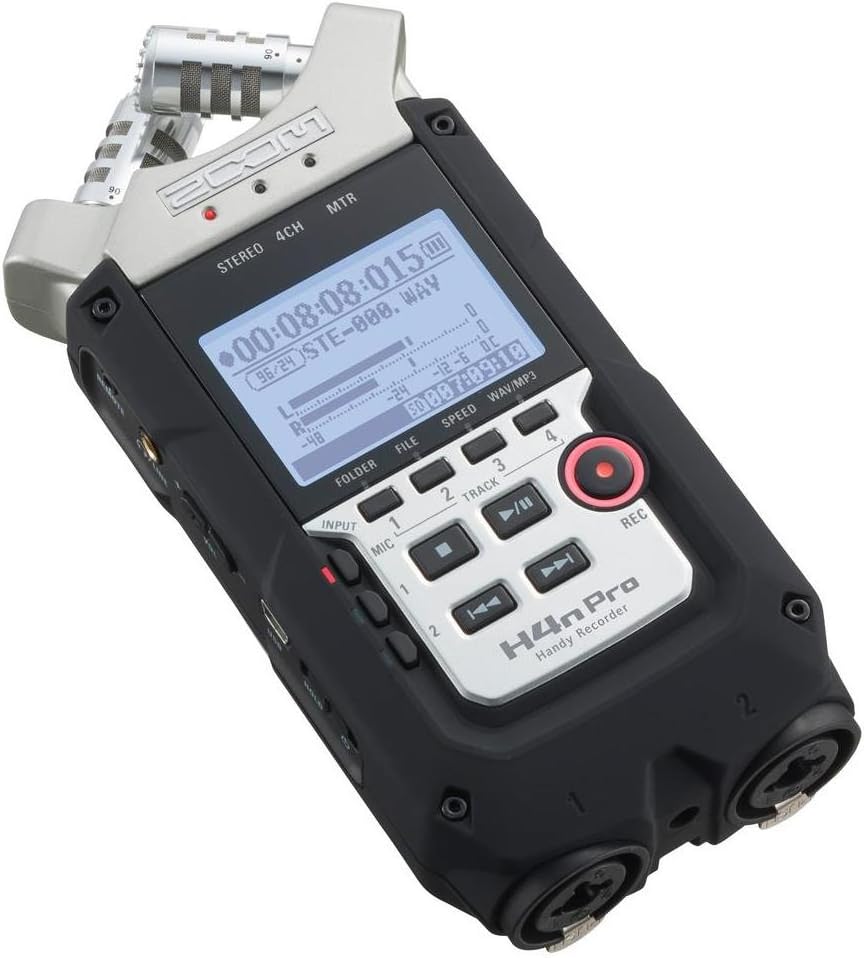
If you prefer a recorder-based workflow instead of plugging into your computer, swap the Scarlett 2i2 and Cloudlifter for a Zoom H6 ($349). The H6 has enough gain for the SM7B without a Cloudlifter, plus you get four XLR inputs for future expansion and battery-powered portability.
Same SM7B. Same boom arm. Same headphones. Just a different recording path. Both approaches produce professional results.
Is $1,000 Worth It?
Here’s the honest answer: if your podcast has commercial goals, a business attached to it, or you’re building a brand, yes. Absolutely. This setup will never be the reason your audio sounds bad. You’ll use this gear for five to ten years without needing to replace anything.
If you’re experimenting or unsure whether you’ll stick with podcasting, start with the $350 setup and work up. But if you’re committed to doing this at a high level, the $1,000 setup is the last gear purchase you’ll need to make for a long time. BOOM.
Comments are closed