Disclosure: Some links on this page are affiliate links. If you buy through them, I earn a small commission at no extra cost to you. I only recommend gear I actually believe in. Thanks for your support! — Jason
Headphones are one of the most overlooked pieces of podcast gear. Most new podcasters skip them entirely and then wonder why their audio has issues they didn’t catch until editing. Let me explain why headphones matter, what to look for, and which ones to get under $50.
Why You Need Headphones for Podcasting
Monitoring headphones are how you hear what you’re actually recording in real time. When you’re wearing headphones during a session, you catch problems immediately — mic too far away, hum from electronics, unexpected background noise, audio clipping from gain set too high. Without headphones, those problems don’t surface until you’re editing, and fixing audio in post is always harder than preventing the problem during recording.
If you’re running a multi-host or interview show, headphones also prevent your guest’s audio from bleeding into your mic pickup. This matters more than most people realize for clean, separated audio tracks.
What to Look for in Podcast Headphones
Three things: closed-back design, flat/neutral frequency response, and comfort for long sessions. Closed-back means the ear cups seal around your ears, preventing audio from leaking out and getting picked up by your microphone. Open-back headphones sound beautiful but are essentially useless for recording because the sound bleeds everywhere.
Flat response means you’re hearing an accurate representation of your audio, not a colored version with boosted bass and scooped mids like most consumer headphones. Flat response is how you catch real problems. Consumer headphones make everything sound better than it actually is.
Avoid Bluetooth headphones entirely for recording. The latency — the delay between what you say and what you hear — makes real-time monitoring impossible and is deeply disorienting. Always wired for podcasting.
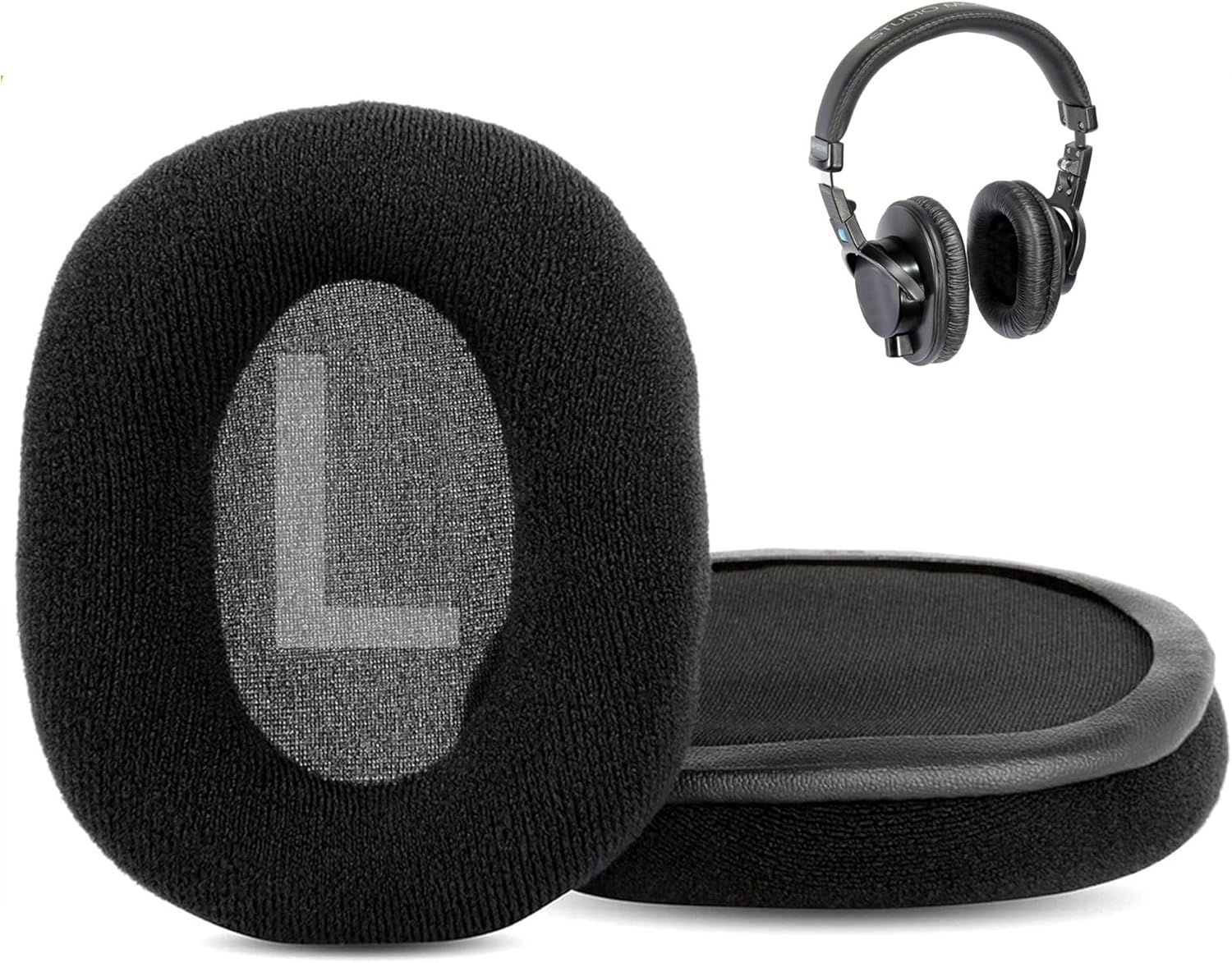
#1 Senal SMH-500 — $49 — Best Under $50
The Senal SMH-500 is an incredibly underrated headphone in the podcast and broadcast world. It’s used in radio stations and broadcast environments where accuracy matters more than flattering sound. Closed-back design, accurate flat response, comfortable for extended sessions, and at $49 it’s genuinely a steal for what you’re getting.
This is my top pick for anyone who needs professional monitoring headphones without spending professional money. Best under $50, full stop. BOOM.
Senal SMH-500 — $49 — View on Amazon →
#2 Sony MDR-7506 — $99 — Worth the Stretch
Technically over the $50 budget, but I can’t write about podcast headphones without mentioning the MDR-7506. These are the industry standard. You’ll find them in almost every recording studio, broadcast booth, and radio station on the planet. They’ve been in continuous production for decades because they’re simply that good.
If you can stretch to $99, the Sony MDR-7506 will last you a decade or more. You buy them once. The Senal is the right call if you need to stay under $50 — but if you have a little more budget flexibility, the Sony is the long-term play.
Sony MDR-7506 — $99 — View on Amazon →
How to Use Headphones While Recording
Plug your headphones into your audio interface or digital recorder’s headphone output — not directly into your computer. This way you’re monitoring the actual captured signal, not just your computer’s audio output. The difference matters because it tells you exactly what your recording sounds like at the source.
Set the headphone volume so you can hear yourself clearly but not so loud that it causes fatigue over a long session. You should be able to hear your voice, your guest’s voice, and any background noise that shouldn’t be there. That’s what you’re listening for.
What to Avoid
Skip open-back headphones for any recording situation. Skip Bluetooth. Skip gaming headsets — they often have aggressive EQ curves that make monitoring inaccurate, and the microphones built into them are not something you want anywhere near your podcast audio chain.
Also skip earbuds for monitoring during recording. They don’t seal well enough, and the isolation and accuracy you need for real monitoring just aren’t there at any price point. Proper over-ear, closed-back, wired headphones are the right tool for this job every time.
Comments are closed