Disclosure: Some links on this page are affiliate links. If you buy through them, I earn a small commission at no extra cost to you. I only recommend gear I actually believe in. Thanks for your support! — Jason
Healthcare professionals are among the most credible and in-demand voices in podcasting. Patients, colleagues, and the general public genuinely want to hear from doctors, nurses, therapists, and healthcare leaders. Your expertise is the asset — your audio just needs to match it.
Why Healthcare Podcasters Need Great Audio
When someone is listening to health information, the stakes are different than entertainment. Listeners are making decisions influenced by what you say. Trust is everything. And poor audio quality erodes trust faster than most podcasters realize — it signals a lack of attention to detail, which is the opposite of what healthcare professionals need to project.
Clean, clear, authoritative audio tells listeners before you say a word that you’re a professional who takes your craft seriously. That’s the right first impression for a healthcare podcast.
The Healthcare Podcast Setup ($350)
This is what I recommend for healthcare professionals who want professional quality, simple workflow, and a setup that fits into the reality of a clinical schedule.
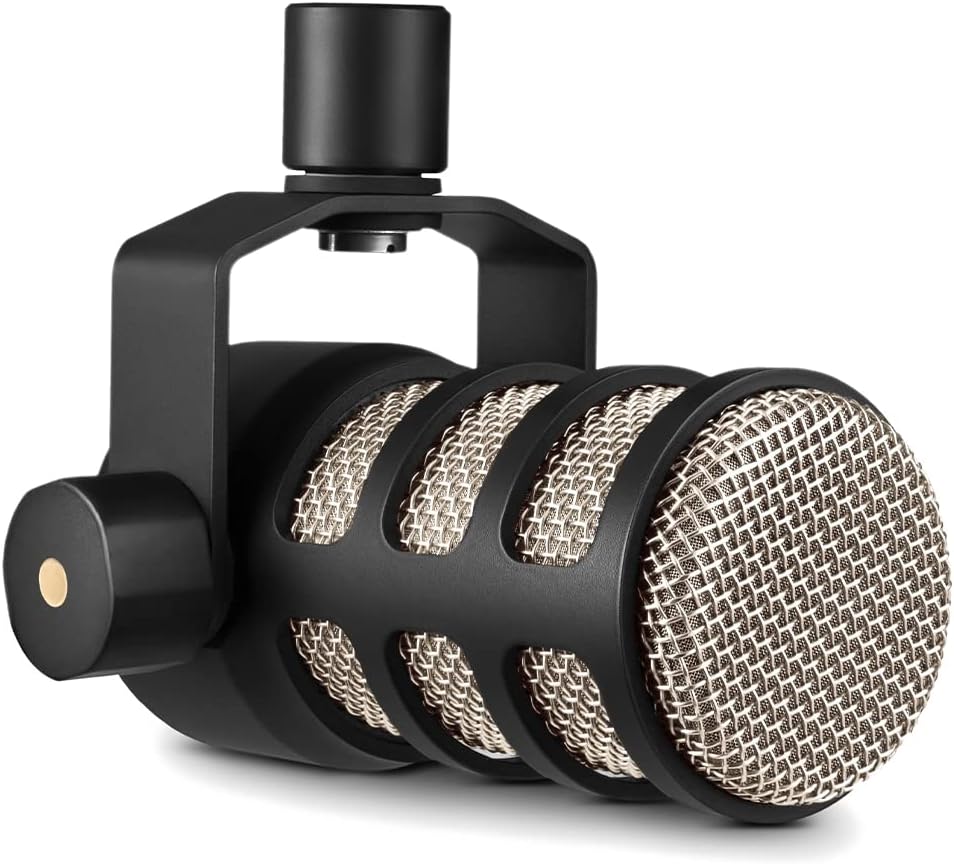
The Rode PodMic ($99) gives you warm, clean broadcast sound with excellent background noise rejection. Recording in a home office between patient hours, with HVAC running and ambient building noise? The PodMic handles that environment without needing a treated recording space.
Rode PodMic — $99 — View on Amazon →
The Zoom H4n Pro ($149) is ideal for busy practitioners because it doesn’t need a computer during the recording session. Set the recorder on your desk, plug in your mic, hit record, and go. Transfer the files for editing whenever you have time. It’s the simplest possible workflow for someone whose primary job is patient care, not audio production.
Zoom H4n Pro — $149 — View on Amazon →
An Elgato Wave Arm ($79) keeps the mic positioned correctly at close range and off your desk. Senal SMH-500 headphones ($49) let you monitor your audio live so you can catch problems during recording rather than discovering them in editing.
Interviewing Colleagues, Specialists, or Patients
One of the strongest formats for a healthcare podcast is expert conversations — bringing on specialists, researchers, or other practitioners to give listeners insight they can’t get from a Google search. The Zoom H4n handles two XLR inputs independently, so adding a second Rode PodMic gives you a clean two-person interview setup.
Each voice records to a separate track, giving you full control over both audio channels in post-production. Adjust levels, cut crosstalk, and produce a clean final mix even when the conversation got animated. Total cost for a two-person setup: under $400.
Compliance and Recording Considerations
If you’re discussing patient cases, be certain all identifying information is removed and you’re following HIPAA guidelines. For many healthcare podcasters, focusing on general educational content, clinical commentary, and professional development keeps the content both valuable and fully compliant. Your legal and compliance team should weigh in if you’re discussing specific clinical scenarios.
What to Avoid
Don’t use a laptop’s built-in microphone for a healthcare podcast. The audio is thin, picks up keyboard noise and fan sound, and does not project the professional image your credentials deserve. A $99 dedicated microphone is a trivial investment compared to the trust and credibility a podcast builds with your audience over time.
Also avoid USB condenser microphones in untreated spaces. They pick up everything — room echo, HVAC, every ambient sound in the building. Dynamic mics like the PodMic are the right choice for real-world recording environments that aren’t treated recording studios.
Start Recording
Your patients and colleagues are searching for exactly the kind of knowledge you have. A podcast puts that knowledge in front of them in a format that builds a relationship over time. The gear cost here is genuinely trivial compared to the professional platform a podcast creates. BOOM.
Comments are closed